

Unlock Your Potential: Natural Strategies to Improve Brain Health
Imagine your brain firing on all cylinders – sharp focus, crystal-clear memory, and a boundless capacity for creativity. While the pursuit of optimal brain health might seem like a complex endeavor, the truth is, many simple, natural strategies can significantly enhance cognitive function and protect your brain for years to come. Are you ready to discover the secrets to a healthier, sharper mind?
The Power of Nutrition: Fueling Your Brain for Success
What you eat profoundly impacts your brain. Think of food as the fuel that powers your cognitive engine. A diet rich in whole, unprocessed foods provides the essential nutrients your brain needs to thrive.
Embrace Brain-Boosting Foods
Certain foods stand out for their exceptional brain-nourishing properties:
- Fatty Fish: Salmon, tuna, and mackerel are packed with omega-3 fatty acids, crucial for brain cell structure and function. These healthy fats support memory, focus, and overall cognitive performance.
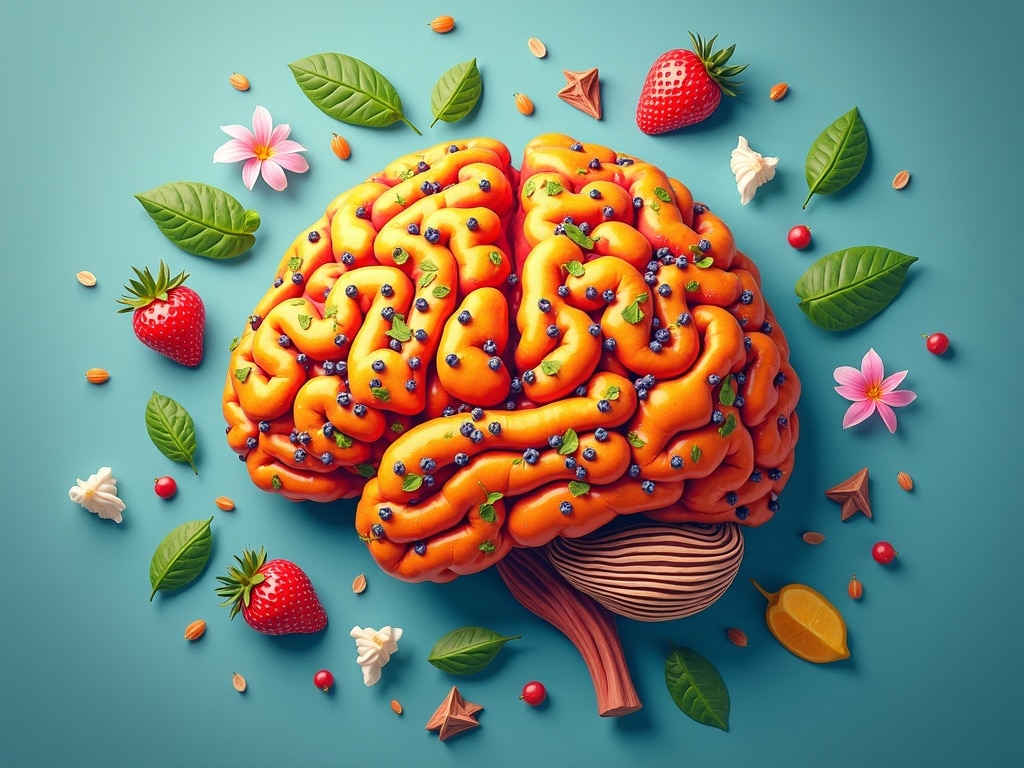
- Berries: Blueberries, strawberries, and raspberries are bursting with antioxidants that protect brain cells from damage caused by free radicals. Studies have linked berry consumption to improved memory and cognitive function.
- Nuts and Seeds: Almonds, walnuts, flaxseeds, and chia seeds provide healthy fats, protein, and antioxidants – a winning combination for brain health. Walnuts, in particular, resemble a brain in appearance and are rich in nutrients that support cognitive function.
- Leafy Greens: Spinach, kale, and collard greens are loaded with vitamins, minerals, and antioxidants that protect against cognitive decline. They're also excellent sources of folate, which is essential for brain development and function.
- Turmeric: This vibrant spice contains curcumin, a powerful compound with anti-inflammatory and antioxidant properties. Curcumin has been shown to improve memory and mood, and may even protect against Alzheimer's disease.
Limit Processed Foods, Sugar, and Unhealthy Fats
Just as some foods nourish the brain, others can harm it. Processed foods, sugary drinks, and unhealthy fats can contribute to inflammation, oxidative stress, and cognitive decline. Minimize your intake of these culprits to protect your brain health. Pay close attention to food labels.
The Importance of Exercise: A Workout for Your Mind
Physical activity isn't just good for your body; it's also essential for your brain. Exercise increases blood flow to the brain, delivering vital oxygen and nutrients that support cognitive function.
Aerobic Exercise: Get Your Heart Pumping
Activities like brisk walking, running, swimming, and cycling can significantly improve brain health. Aim for at least 30 minutes of moderate-intensity aerobic exercise most days of the week.
Strength Training: Build Muscle, Strengthen Your Mind
Strength training is also beneficial for brain health. Lifting weights or using resistance bands can improve cognitive function, memory, and attention. Incorporate strength training exercises into your routine at least twice a week.
The Power of Sleep: Rest and Recharge Your Brain
Sleep is crucial for brain health. During sleep, your brain consolidates memories, clears out toxins, and repairs itself. Getting enough sleep is essential for optimal cognitive function.
Establish a Consistent Sleep Schedule
Go to bed and wake up around the same time each day, even on weekends, to regulate your body's natural sleep-wake cycle. This helps improve sleep quality and duration.
Create a Relaxing Bedtime Routine
Wind down before bed with relaxing activities like reading, taking a warm bath, or listening to calming music. Avoid screen time (phones, tablets, computers) for at least an hour before bed, as the blue light emitted from these devices can interfere with sleep.
Optimize Your Sleep Environment
Make sure your bedroom is dark, quiet, and cool. Use blackout curtains, earplugs, or a white noise machine to minimize distractions. A comfortable mattress and pillows are also essential for a good night's sleep.
Stress Management: Protect Your Brain from the Harmful Effects of Stress
Chronic stress can wreak havoc on your brain. It can impair cognitive function, damage brain cells, and increase the risk of cognitive decline. Managing stress is crucial for protecting your brain health.
Mindfulness and Meditation: Cultivate Inner Peace
Mindfulness and meditation practices can help you reduce stress, improve focus, and enhance cognitive function. Even a few minutes of daily meditation can make a significant difference.
Yoga and Tai Chi: Find Balance and Harmony
Yoga and tai chi combine physical activity with mindfulness and relaxation. These practices can help reduce stress, improve flexibility, and enhance cognitive function.
Spend Time in Nature: Reconnect with the Natural World
Spending time in nature has been shown to reduce stress, improve mood, and enhance cognitive function. Take a walk in the park, hike in the woods, or simply sit in your backyard and enjoy the fresh air.
Mental Stimulation: Keep Your Brain Active and Engaged
Just like your body, your brain needs regular exercise to stay sharp. Engaging in mentally stimulating activities can help improve cognitive function, memory, and attention.
Learn a New Skill: Challenge Your Brain
Learning a new skill, such as playing a musical instrument, speaking a new language, or mastering a new hobby, can challenge your brain and improve cognitive function.
Read Regularly: Expand Your Knowledge and Imagination
Reading books, articles, and other written materials can stimulate your brain, expand your knowledge, and improve your vocabulary.
Play Brain Games: Sharpen Your Mind
Brain games, such as Sudoku, crossword puzzles, and memory games, can help improve cognitive function, memory, and attention. There are also many brain-training apps and websites available that can provide you with a variety of mentally stimulating activities.
Social Connection: Nurture Your Brain Through Relationships
Social interaction is essential for brain health. Strong social connections can provide emotional support, reduce stress, and improve cognitive function.
Spend Time with Loved Ones: Strengthen Your Bonds
Make an effort to spend time with family and friends. Engaging in meaningful conversations, sharing experiences, and providing support to one another can strengthen your relationships and improve your brain health.
Join a Club or Group: Connect with Like-Minded Individuals
Joining a club or group that shares your interests can provide you with opportunities to socialize, learn new things, and connect with like-minded individuals.
Volunteer in Your Community: Make a Difference and Connect with Others
Volunteering in your community can provide you with a sense of purpose, connect you with others, and improve your overall well-being.
The Takeaway: A Holistic Approach to Brain Health
Improving brain health naturally is a journey, not a destination. By incorporating these simple strategies into your daily life, you can unlock your cognitive potential, protect your brain from age-related decline, and live a fuller, more vibrant life. So, start today, embrace these natural approaches, and empower your brain to thrive. Your future self will thank you.